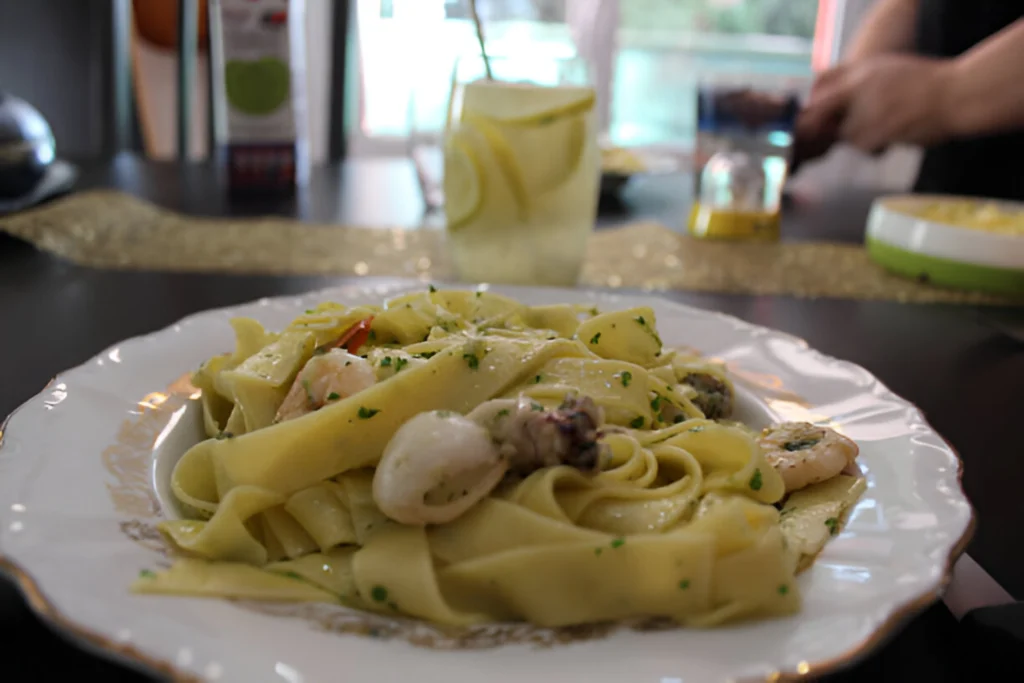
What Really Happens To Your Body When You Eat Pasta Every Day
Ironically, pasta got such a bad reputation for being a food that made people gain weight because it’s actually a food that could help you lose weight, according to modern research (via USA Today). Or at least it doesn’t seem to have any negative outcome on weight loss efforts. The secret, based on the results of a study published in BMJ Open, seems to rely on keeping your blood sugar levels in check.
When people ate pasta as part of a low-glycemic diet (that is, a diet with slow-digesting carbohydrates instead of fast-digesting high-glycemic ones), they still managed to lose weight. But again, this goes back to the notion of what other foods are eaten with pasta, not only at the same meal but also throughout the rest of the day. Pasta is an easy food to include in the Mediterranean diet, which many health experts laud as a great way of staying lean and maintaining optimal heart health.
You’ll reduce your risk of chronic disease.
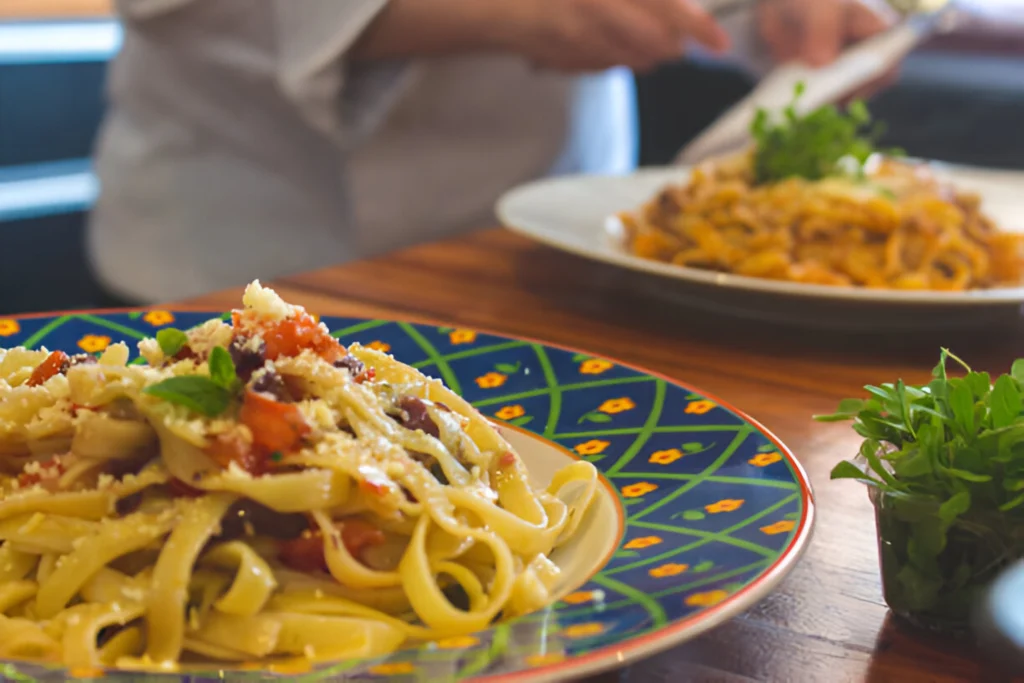
If you’re eating a bowl of whole-grain pasta every day, you could be doing it for a long time. Yes, you could have many more days ahead of you. That’s because whole grains, when eaten as part of a healthy diet, are key to a long life. The Whole Grains Council notes that whole grains have been linked with a reduced risk of many chronic diseases, including heart disease, type 2 diabetes, colorectal cancer, and stroke. So when somebody asks you about your daily serving of pasta, you can just tell them it’s because you’re trying to stave off disease.
According to the research, people who ate a minimum of three servings of whole grains every day saw the most benefits. So, if you’re having your whole-grain pasta at dinner, you could consider having oatmeal for breakfast and a slice of whole-wheat bread at lunch. However, you’ll still have a reduced risk of chronic disease if you are able to eat just one serving.
You may have better control of your diet.

Regardless of what type of pasta you’re eating, having a little bit of it regularly (even every day) will help you have more self-control than you would have if you tried to deprive yourself. As registered dietitian Lisa Valente explained in an article for Eating Well, trying to avoid your favourite foods because you think that they’re bad for you will only prompt you to overindulge in them later.
What does this mean in the case of pasta? Whole-grain pasta might be the more nutritionally sound option, but if refined pasta is your preference when it comes to taste, you shouldn’t totally restrict yourself from having it. “Sometimes food is about more than its nutritional value. It’s convenient. It helps us celebrate with our family. It doesn’t cost us an arm and a leg,” Valente wrote. You can choose to have a moderate amount of refined pasta regularly. In doing so, you likely won’t crave it too intensely (and potentially resent whole-grain pasta in its place).
Your digestive health will improve.
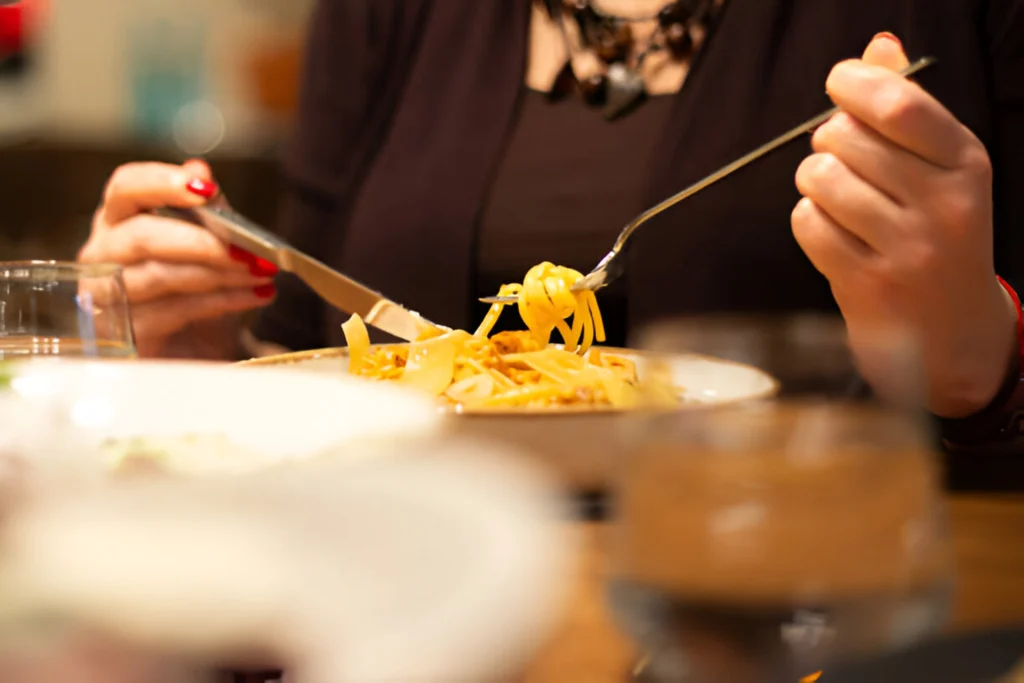
You already know that the fibre in pasta is excellent for improving satiety, but that’s not the only benefit you get from fibre in your diet. Fibre is also suitable for good digestive health and preventing constipation, according to the Mayo Clinic. When you have a diet that’s full of this indigestible carbohydrate, it bulks up your stool, making it softer and easier to pass through your system.
Having a healthy stool isn’t just about being comfortable and pain-free when you sit down on the toilet. Constipation causes all kinds of problems inside your digestive system — problems that can be avoided when you have more fibre in your diet. You will be less likely to develop problems like haemorrhoids, polyps, and even colorectal cancer.
Having a whole-grain bowl of pasta — particularly if it is topped with fibre-rich vegetables and legumes — will improve your digestive health tremendously. However, refined grains can often cause constipation (via WebMD). Frequently eating refined pasta with other constipating foods, such as heavy cheese, could cause more harm than good.
You’ll be better protected against anaemia.